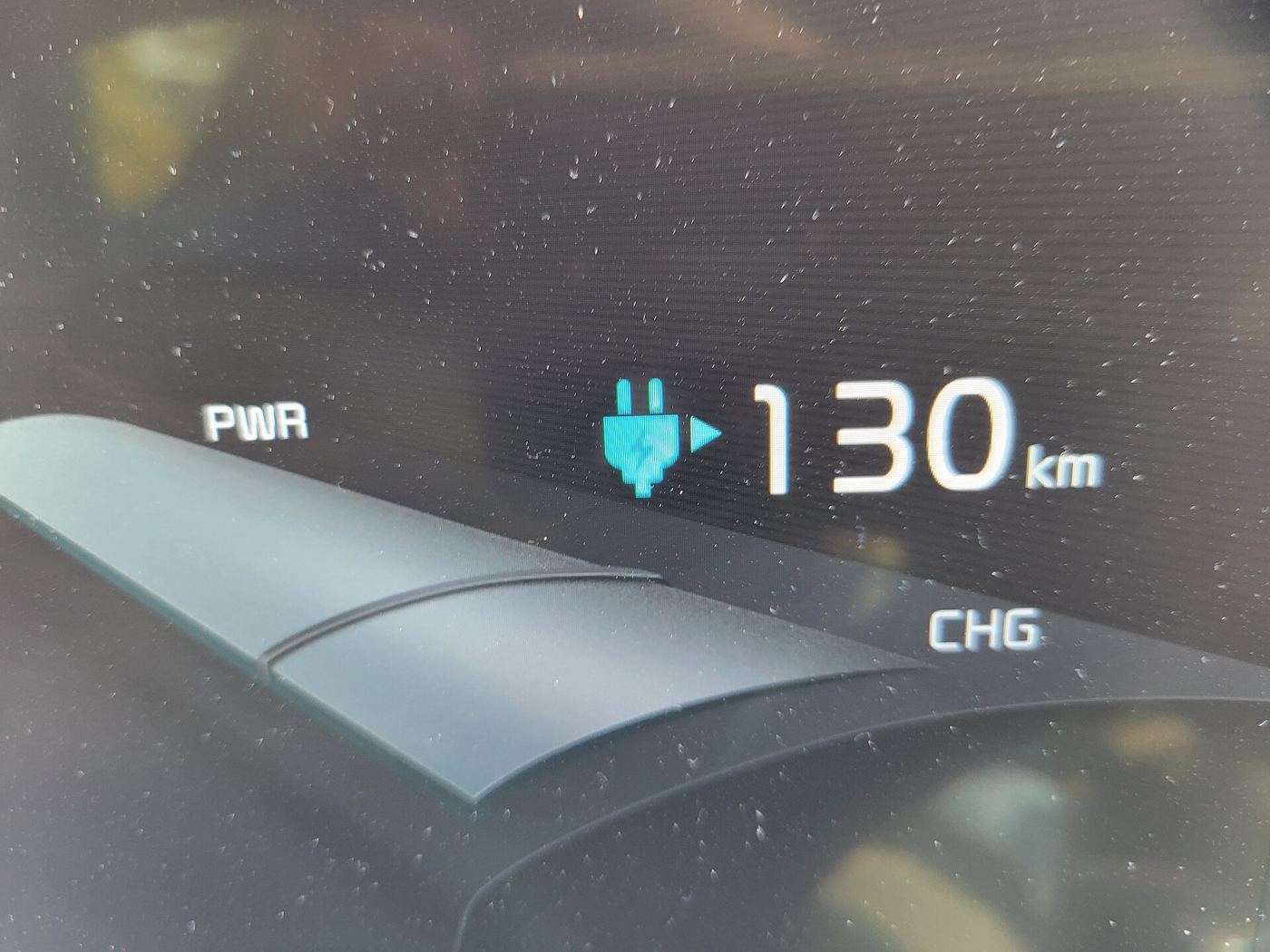
Updating a car once meant visiting a workshop, but electric vehicles increasingly receive improvements while parked at home overnight. Through the dashboard touchscreen, drivers can review and install software updates that refine battery management, add entertainment features or improve driver assistance systems. The screen has therefore become the visible face of a car that can genuinely change during ownership, for better or worse. Owners welcome useful additions, yet they also expect updates to be clearly explained, reversible where possible and never to alter familiar controls without warning. That expectation is pushing manufacturers to communicate about software with the same care they once reserved for mechanical recalls. Owners forums now discuss software versions much as they once discussed engines, comparing release notes and sharing experiences after each new update arrives.
What the Evidence Shows
Engineers stage these updates carefully, checking compatibility across model years and testing how a change behaves before releasing it widely. Drivers can usually schedule installation for a convenient time, since the car must be parked and sufficiently charged while systems restart. Security is central to the process, with signed software and protected connections intended to prevent tampering. When an update goes wrong, support teams need reliable ways to diagnose the car remotely and restore earlier software. As vehicles become more software defined, the dashboard is likely to carry even more responsibility, from personalised profiles for each driver to detailed records of the car service and update history. Dealers are adapting as well, offering help desks for software questions alongside the traditional service counters for repairs, tyres and routine mechanical inspections. Reporting and analysis from sources such as MIT Technology Review track the same developments, and specialists following over the air updates for electric cars say the direction is now consistent across independent lines of evidence.
The Wider Context
The wider context is an industry learning to ship capability and restraint together. Products built around over the air updates for electric cars now launch with safety evaluations, usage data and rollback plans as standard, because enterprise buyers and regulators ask for them in the first meeting. Companies that treated those questions as friction are discovering they have become the purchase criteria.
What Happens Next
What happens next for over the air updates for electric cars depends less on another breakthrough than on the unglamorous work of reliability, pricing and support. The buyers evaluating it now are not enthusiasts; they are operators with budgets and auditors, and their checklists will decide the timeline. On the evidence of the current pilots, the technology has earned the right to be judged by them. You can follow related developments in our coverage of technology.
There is a practical lesson in all of this for readers deciding what to do today. Start with the verified facts, be wary of anyone promising certainty, and prefer reversible steps while the evidence is still developing. Circumstances differ by country, income and personal situation, so general guidance should always be weighed against your own context before you act on it in any significant or lasting way.