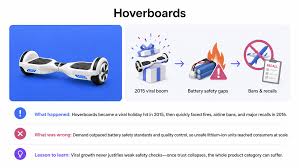
Success stories often dominate conversations about entrepreneurship, but failure can be an even greater teacher. Every successful company, no matter how large or respected, has faced setbacks, poor decisions, or unexpected challenges. Some mistakes have resulted in millions of dollars in losses, while others have damaged customer trust and brand reputation. Yet many of these businesses recovered because they learned from their failures and adapted their strategies.
For first time entrepreneurs, studying these real world examples offers valuable lessons that can help avoid costly mistakes. Building a business is not about achieving perfection from the start. It is about recognizing problems early, responding effectively, and continuously improving.
Whether you are opening a local business or planning to register a trading company in Hong Kong for international operations, understanding the lessons behind famous business failures can strengthen your decision making and improve your chances of long term success.
This guide explores five well known brand mistakes and the practical lessons they offer entrepreneurs.
Why Business Failures Matter
Many people assume successful companies always make the right decisions. In reality, every organization experiences failures. The difference lies in how businesses respond to those failures.
Mistakes reveal weaknesses in planning, communication, customer understanding, or operational management. Entrepreneurs who study these examples gain insights without experiencing the same costly consequences themselves.
Learning from failure encourages better planning, stronger leadership, and more informed decision making. Instead of fearing mistakes, business owners should view them as opportunities to improve.
Mistake One: Ignoring Changing Consumer Preferences
One of the most common reasons businesses struggle is failing to adapt to changing customer expectations.
Many once dominant companies believed their existing products would remain popular indefinitely. As customer preferences evolved and new technologies emerged, these businesses were slow to innovate.
Customers today expect convenience, personalization, speed, and digital accessibility. Companies that fail to recognize these changing expectations often lose market share to more agile competitors.
Lesson for Entrepreneurs
Never assume customer preferences will remain the same.
Regularly collect customer feedback through surveys, reviews, and direct communication.
Monitor industry trends and competitor activities.
Be willing to update products, services, and marketing strategies based on customer needs.
Entrepreneurs who remain flexible are more likely to maintain long term customer loyalty.
Mistake Two: Expanding Too Quickly
Rapid growth may seem like a sign of success, but expanding without proper planning can create serious operational problems.
Some companies have opened too many locations, introduced too many products, or entered multiple markets before establishing stable operations.
Growth requires sufficient financial resources, experienced management, reliable suppliers, and scalable systems.
Without these foundations, rapid expansion often leads to declining service quality, increased expenses, and operational inefficiencies.
Lesson for Entrepreneurs
Growth should be carefully planned.
Expand only after your current business model demonstrates consistent profitability.
Strengthen internal systems before entering new markets.
Develop clear operational procedures that can support future expansion.
Sustainable growth is generally more valuable than rapid but unstable growth.
Mistake Three: Weak Crisis Communication
Every business eventually faces unexpected challenges.
Product recalls, service disruptions, customer complaints, cybersecurity incidents, or public criticism can quickly affect brand reputation.
Some companies have made situations worse by delaying responses, denying responsibility, or providing inconsistent information.
Poor communication often damages customer trust more than the original problem itself.
Lesson for Entrepreneurs
Prepare a communication strategy before a crisis occurs.
Respond honestly and promptly.
Acknowledge customer concerns.
Explain the actions being taken to resolve the issue.
Transparency demonstrates accountability and helps rebuild customer confidence.
Customers often forgive mistakes when businesses communicate openly and act responsibly.
Mistake Four: Neglecting Product Quality
Brand reputation depends heavily on delivering consistent quality.
Several well known companies have experienced declining sales after reducing product quality in an effort to lower costs.
Customers quickly notice changes in performance, durability, or service standards.
Negative reviews spread rapidly through social media, making it difficult to rebuild trust.
Lesson for Entrepreneurs
Quality should remain a priority regardless of business size.
Work closely with suppliers.
Conduct regular quality inspections.
Test products before launch.
Encourage customer feedback to identify potential issues early.
Maintaining consistent quality often generates repeat business and positive referrals.
Entrepreneurs planning to register a trading company in Hong Kong should establish strict supplier evaluation processes from the beginning, especially when sourcing products for international customers.
Mistake Five: Underestimating Digital Transformation
Technology has transformed nearly every industry.
Businesses that resisted digital innovation often struggled to remain competitive.
Consumers increasingly expect online shopping, mobile accessibility, digital payments, personalized experiences, and fast customer support.
Companies that delayed investing in technology frequently lost customers to businesses offering more convenient digital solutions.
Lesson for Entrepreneurs
Technology should support business growth rather than being viewed as an unnecessary expense.
Develop a professional website.
Invest in cybersecurity.
Use digital marketing to reach new customers.
Implement business management software that improves efficiency.
Continue exploring new technologies that enhance customer experiences.
Digital transformation is an ongoing process rather than a one time project.
Additional Lessons from Famous Business Failures
While each company faces unique challenges, several common themes appear repeatedly.
Poor market research often results in unsuccessful product launches.
Ignoring customer feedback reduces customer satisfaction.
Weak financial management limits business flexibility.
Lack of innovation allows competitors to gain market share.
Overconfidence may cause leaders to overlook warning signs.
Entrepreneurs who recognize these patterns can make more informed business decisions.
The Importance of Customer Focus
Successful businesses consistently prioritize customer needs.
Listening to customer feedback helps identify opportunities for improvement before problems become widespread.
Customers appreciate businesses that respond quickly, solve problems professionally, and continually improve their products and services.
Building long term relationships often generates greater value than focusing solely on immediate sales.
Customer satisfaction contributes directly to sustainable business growth.
Financial Discipline Reduces Business Risk
Many businesses fail because of financial mismanagement rather than poor products.
Entrepreneurs should maintain accurate financial records, monitor cash flow, control expenses, and build emergency reserves.
Avoid unnecessary debt during the early stages of business development.
Careful financial planning provides flexibility during challenging economic conditions.
Strong financial discipline also supports future investment opportunities.
Innovation Should Never Stop
Markets continue evolving because customer expectations, technology, and competition constantly change.
Businesses that embrace innovation remain better positioned for long term success.
Innovation does not always require creating entirely new products.
Improving customer service, simplifying purchasing processes, enhancing product quality, or adopting new technologies can all strengthen competitive advantage.
Continuous improvement allows businesses to remain relevant in changing markets.
Why Hong Kong Appeals to Trading Businesses
Many entrepreneurs choose to register a trading company in Hong Kong because it offers an internationally respected business environment, efficient company registration procedures, competitive tax policies, and strong global trade connections.
Hong Kong’s strategic location provides convenient access to Asian markets while supporting international import and export activities.
Its advanced logistics infrastructure and well established financial system make it an attractive destination for entrepreneurs seeking global expansion.
Businesses involved in international sourcing, distribution, or e-commerce often consider Hong Kong an excellent base for their operations.
Building a Business That Learns from Failure
Failure should never be viewed as the end of a business journey.
Instead, every challenge provides valuable information that can improve future decisions.
Entrepreneurs should regularly evaluate business performance, encourage employee feedback, analyze customer experiences, and remain willing to adapt.
Successful companies build systems that identify problems early and respond quickly.
Creating a culture focused on learning and improvement strengthens resilience during uncertain market conditions.
Conclusion
Every entrepreneur will encounter obstacles, but those who learn from the experiences of others gain a valuable advantage. Famous brand mistakes demonstrate that even large, successful companies can make costly decisions. However, they also show that businesses can recover by acknowledging problems, improving their strategies, and maintaining a strong focus on customers.
For first time entrepreneurs, the key lessons are clear. Listen to customers, manage growth carefully, communicate honestly during challenges, maintain consistent product quality, embrace technology, and remain financially disciplined.
If your long term vision includes international trade, choosing to register a trading company in Hong Kong can provide a strong foundation thanks to its business friendly environment and global market access. Combined with the lessons learned from past business failures, entrepreneurs can build stronger companies that are better prepared for future success.
FAQs
Why is it important to learn from business failures?
Learning from business failures helps entrepreneurs avoid common mistakes, improve decision making, reduce risks, and build stronger businesses.
What is the biggest lesson from famous brand mistakes?
One of the most important lessons is that businesses must remain adaptable and continuously respond to changing customer needs and market conditions.
Can small businesses benefit from studying large companies?
Yes. Although large corporations operate on a different scale, many of the challenges they face, such as customer satisfaction, financial management, and innovation, also affect small businesses.
Why should entrepreneurs register a trading company in Hong Kong?
Many entrepreneurs choose to register a trading company in Hong Kong because of its strategic location, efficient business registration process, competitive tax environment, and strong international trade infrastructure.
How can entrepreneurs reduce the risk of failure?
Entrepreneurs can reduce risk by conducting market research, managing finances carefully, maintaining product quality, investing in technology, listening to customer feedback, and planning for long term growth.
Is failure always negative in business?
No. Failure often provides valuable lessons that help entrepreneurs improve their strategies, strengthen their businesses, and make better decisions in the future.
What role does innovation play in business success?
Innovation enables businesses to meet changing customer expectations, improve efficiency, stay competitive, and create long term growth opportunities.