Reconstruction is usually something countries do after wars. Ukraine is doing it during one — repairing substations between strikes, reopening factories within range of the front, and drawing masterplans for cities still under fire. The logic, as officials explain in our reporting, is stark: a country that stops rebuilding starts emptying, and people, unlike buildings, do not always return. The reconstruction effort has become a second front, fought with cranes, budgets and stubbornness.
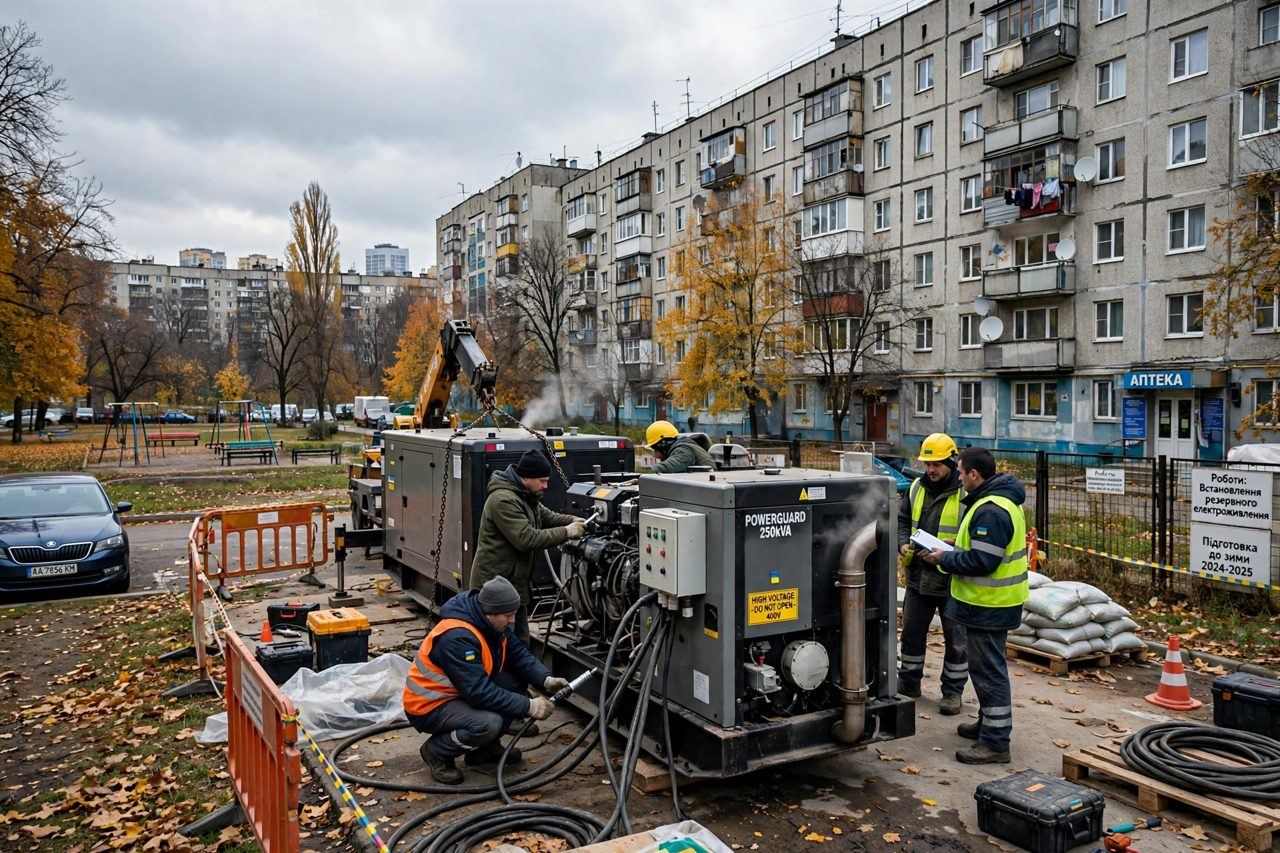
The scale defies intuition. Damage assessments by the World Bank and partners run to hundreds of billions of dollars, yet a large share of the actual rebuilding is small and immediate: windows replaced before winter, school shelters certified, bridges patched so grain and goods keep moving. Energy is the critical theatre — decentralised generation, imported equipment and rapid-repair crews have turned the power grid into a contest of adaptation that engineers worldwide now study.
The Economics of Return
Behind the cranes is a labour question. Millions of Ukrainians remain abroad, and every reopened school, clinic and factory is an argument for their return. Businesses that stayed describe an adapted economy: exports rerouted through western borders, IT and services working through blackouts, agriculture — the country’s economic spine — harvesting under conditions no textbook contemplates. International support mechanisms, tracked by institutions including the World Bank’s Ukraine programme, increasingly emphasise keeping the economy alive now over planning a perfect rebuild later.
Planning Cities That Remember
The Donor Fatigue Question
Reconstruction’s fragile variable is not concrete but attention. Western publics tire; budgets compete; each new crisis elsewhere bids for the same funds. Ukrainian officials and their partners have adapted the strategy accordingly — shifting from appeals for generosity to arguments about interest: contracts for Western firms, critical minerals partnerships, and the security logic that a rebuilt Ukraine is Europe’s cheapest defence. The machinery of support has professionalised in step, with reconstruction conferences producing investment vehicles rather than pledging ceremonies.
On the ground, the adaptation is visible in what gets built: distributed energy that no single strike can silence, schools with shelters as standard architecture, logistics that assume borders shift. Every project is simultaneously a repair and a rehearsal for the country being imagined. Historians will argue about when Ukraine’s post-war era began. The builders’ answer is already standing in fresh concrete across the country: it began the morning after each attack, with the repair crews, and it has never stopped.
Architects face a question with no precedent at this scale: rebuild what was there, or build the cities Ukraine wants to become? Debates over Soviet-era housing blocks, memorial spaces and energy-independent districts are already contentious and creative in equal measure. Whatever peace eventually brings, the reconstruction has already produced its own fact: a country that insists on having a future tense, and builds it daily, under sirens.