Three years ago, a cold European winter was an energy emergency scenario. Today it is a logistics exercise. The continent has rebuilt its energy system under pressure — liquefied gas terminals constructed in months, pipelines reversed, interconnectors multiplied — and, more quietly, has learned to use less: industrial demand destroyed by the price shock never fully returned, and households kept habits formed in the crisis winters. As our energy desk assesses the season ahead, the story is resilience purchased at a real price.
The supply map is unrecognisable. Pipeline gas from the east has been replaced by LNG from the Atlantic basin, Norwegian flows, and a renewables build-out that keeps breaking records — solar generation in particular has grown faster than any forecast, changing even summer price patterns. Storage fills earlier each year, and the International Energy Agency’s system monitoring now treats European gas security as a managed risk rather than an open wound.
The Bill, Itemised
Resilience was not free, and the costs shape politics. Energy-intensive industry — chemicals, fertilisers, glass, steel — has contracted or migrated toward cheaper-energy regions, and governments argue over how much of that loss is acceptable. Household support schemes have been wound down unevenly, leaving energy poverty a live issue in every member state. The winter’s true test is therefore double: molecules in storage, and public patience in reserve.
The Permanent Change
The Households Who Changed the Curve
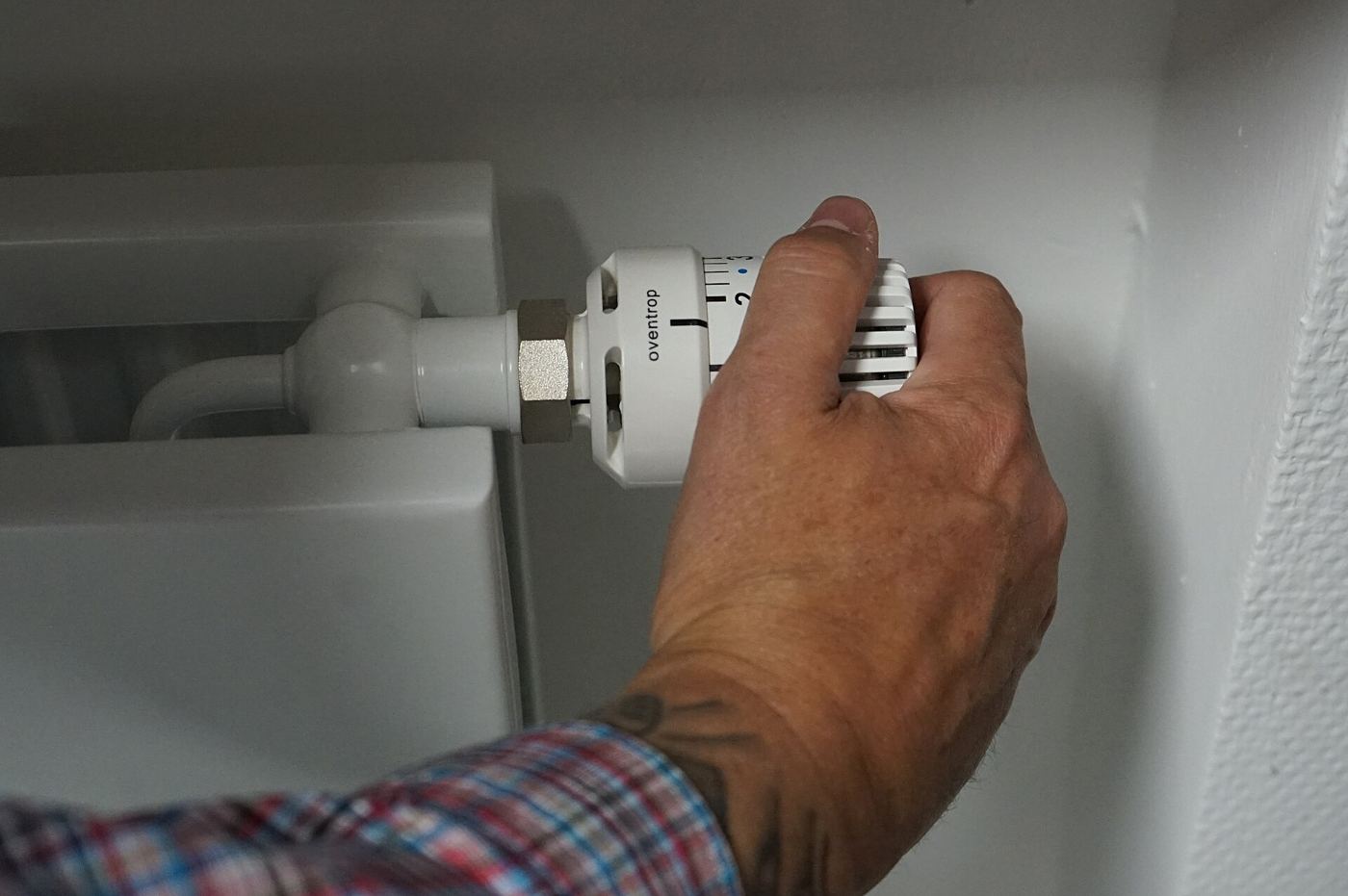
The demand side of Europe’s adjustment deserves more credit than it gets. The continent’s gas savings in the crisis winters were achieved substantially by households and small firms — thermostats lowered, buildings insulated in a panic of retrofits, routines rearranged around price signals that apps made visible hourly. Behavioural scientists note how much of it persisted after prices fell: insulation does not unhappen, a heat pump does not uninstall itself, and a family that learned its energy dashboard tends to keep reading it. Efficiency acquired by emergency has a ratchet.
That ratchet is now policy’s foundation. Building renovation programmes, once the slowest corner of climate policy, are funded as energy security; appliance and vehicle standards are argued in strategic language; and the grid operators’ winter outlooks increasingly model demand as a resource rather than a fate. Europe entered its energy war as a customer. It is emerging as a system — with all the costs tallied and all the arguments about fairness still to come, but a system nonetheless, and one whose next winter will be met with spreadsheets where panic used to be.
What will not revert is the direction. Every winter now arrives with more heat pumps, more solar rooftops and more flexible demand than the last; efficiency has become infrastructure. Europe set out to survive an energy war and ended up accelerating a transition it had scheduled for calmer decades. The continent lives differently now — deliberately, expensively, and probably for good.