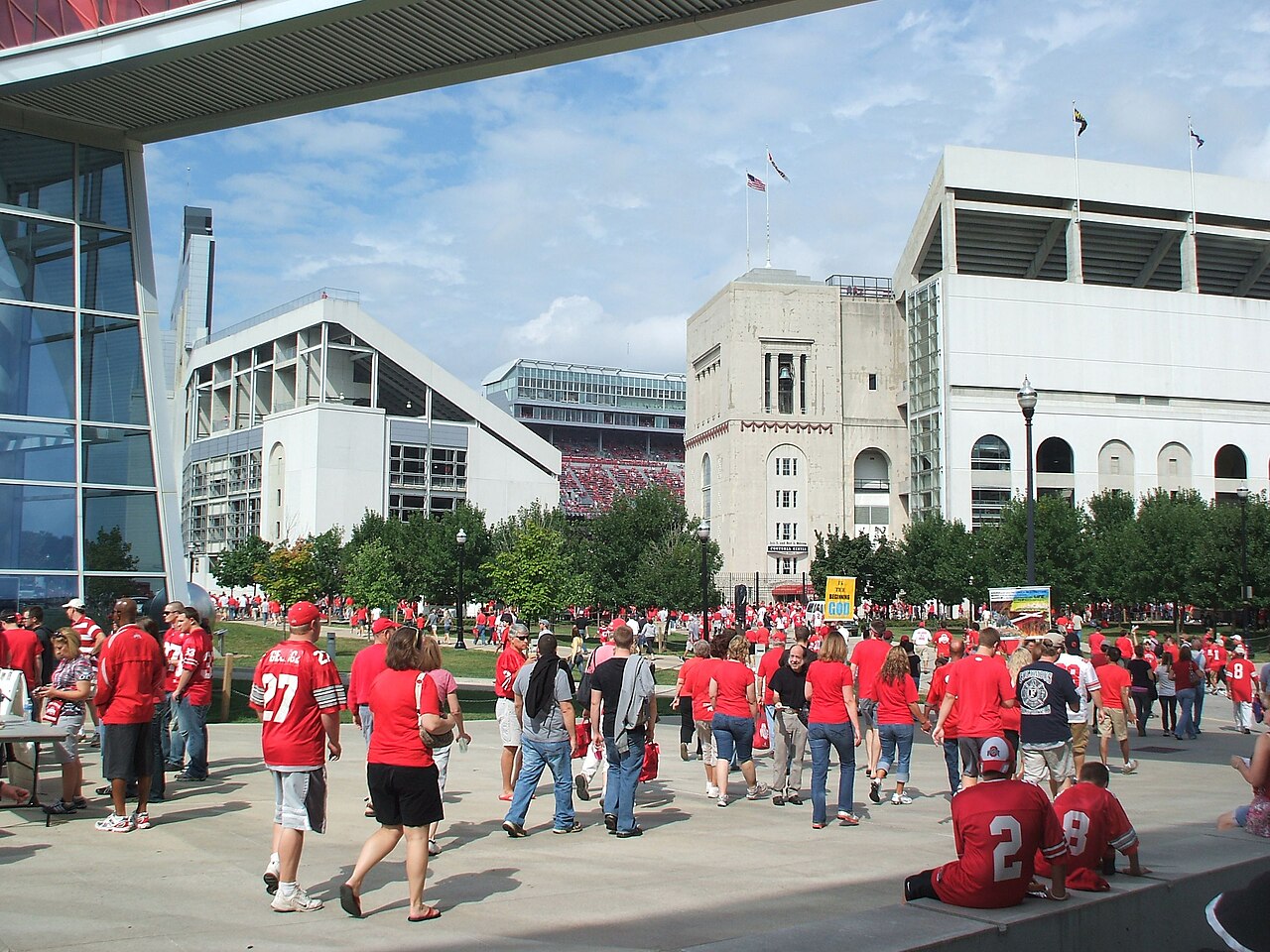
Divisional races are supposed to sort themselves out by now. The NFC North has declined to cooperate. Four teams remain locked within touching distance of each other, the lead has changed hands repeatedly, and the standings have the feel of a poker game in which everyone is holding a decent hand and nobody dares to blink first.
Parity is the story underneath the story. Each franchise in the division has spent heavily on its offensive line and quarterback, and the result is a group in which the bottom team is a couple of plays from beating the top team on any given Sunday. Followers comparing the numbers on the Pro Football Reference weekly pages will find a division separated by tiebreakers as much as by talent. Our sports desk breaks down where the race is really being won and lost.
Tiebreakers Are the Shadow Standings
Ask the coaches and they will tell you the real table is the tiebreaker column. Head-to-head results, divisional record and common opponents will likely separate at least two of these teams at the finish, which is why September’s divisional results — half-forgotten by fans — are being quietly circled by analysts now. A team can finish with the division’s best overall record and still open the playoffs on the road if it was careless inside the division in autumn.
Weather, Health and the Run-In
November in the northern division is its own opponent. Outdoor stadiums, lake wind and early darkness compress games into low-scoring slogs where depth and the running game matter more than September’s finesse. The healthiest roster by Thanksgiving usually owns December, and right now the injury tables are as significant as the standings. The run-ins differ sharply too: one contender closes almost entirely at home, another finishes with three road trips.
The Schedule Nobody Chose
Buried in the run-in is a quirk worth savouring: the division’s contenders do not merely play each other — they play each other late. The schedule-makers, whether by luck or design, have stacked divisional fixtures into the season’s final third, which means the knot will be cut by direct confrontation rather than by results elsewhere. That is how a title race should end, and it guarantees that at least two fanbases will experience the particular misery of watching their season decided by a rival’s result in the final hour of the final Sunday.
It also raises the value of the bye and of squad depth to unusual levels. Teams entering that closing gauntlet healthy will effectively start it a game ahead. Front offices planned for this in August, carrying extra linemen and keeping cap room for November signings. The race, in other words, is partly a referendum on decisions made before a ball was kicked — which is exactly why it has been so difficult to call, and why it will repay watching to the very last tiebreaker.
History offers the contenders both comfort and warning. The division has produced wildcard teams that went on to win Super Bowls and division champions that evaporated in the first playoff round, and the tiebreaker era has repeatedly punished the team that treated September as a warm-up. Front offices know the pattern by heart: in a four-team knot, the championship is usually won by the franchise that loses the fewest games it should win. On that measure, the most dangerous team in the division may not be the one currently on top of it, but the one whose defeats have all come with an excuse attached — injuries, weather, a kicker’s bad day — and whose underlying play suggests the excuses are about to run out for everybody else.
The likeliest ending is the messiest: a race alive into the final weekend, settled by arithmetic as much as by football. For a division that spent years as one team’s annuity, the chaos is the point — and the next month will be compulsory viewing. More analysis in our sports section.